
The Role of Roof Angle in Construction Projects
When planning a roofing project, one critical factor to consider is the roof pitch. This angle significantly impacts not only the aesthetic appeal but also the installation process and functionality of the roof. Different pitches suit different climates and architectural styles, affecting everything from drainage efficiency to material choices. Understanding how roof pitch affects these elements can help you make informed decisions about your roofing needs.
The Basics of Roof Pitch
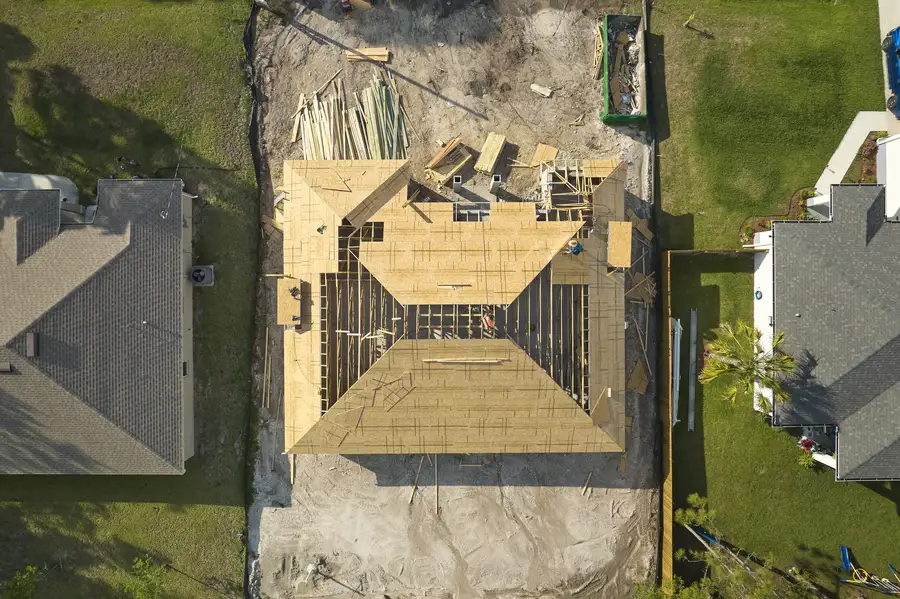
A roof pitch is the measurement of the roof’s steepness or slope. It is usually expressed as a ratio between the vertical rise and the horizontal span of the roof. For example, a 4/12 roof pitch means that for every 12 horizontal feet, the roof rises 4 feet. This basic concept influences various aspects of construction and design.
Impact on Material Choice
The pitch of a roof determines what materials are most suitable for its covering. Steep roofs generally shed water quickly and therefore may use lightweight materials like shingles or tiles. On the other hand, low-pitched roofs might require more durable, watertight materials such as metal or rubber membranes to prevent leaks. Choosing appropriate materials based on roof pitch is vital for ensuring long-term durability and performance.
Drainage and Water Flow Considerations
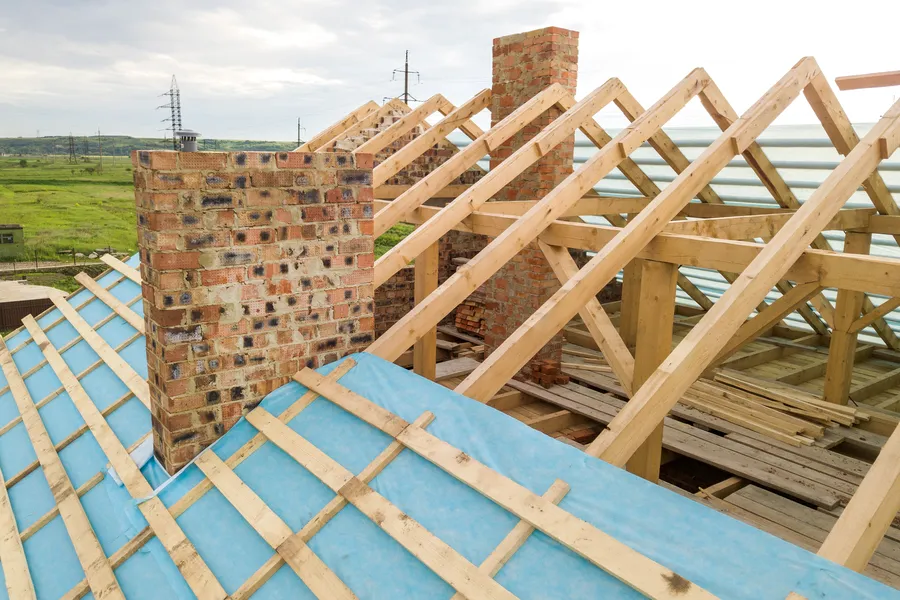
Roof pitch directly affects how well water drains off the surface. Steeper roofs enhance water flow, reducing the risk of pooling, which can lead to leaks or damage over time. In contrast, flat or low-pitch roofs may require additional drainage solutions such as gutters or internal drains to manage water effectively. Proper drainage is crucial to maintaining a healthy roof structure.
Effect on Energy Efficiency
The energy efficiency of a building can be influenced by its roof pitch. Roofs with higher pitches often have better ventilation options, allowing hot air to escape during warmer months and improving insulation during colder periods. This increased airflow can reduce energy costs by lessening the need for heating and cooling systems to work as hard.
Challenges in Installation
The process of roof installation varies depending on the pitch. Steeper roofs typically require special equipment and safety measures due to their height and incline, making them more complex and costly to install. Conversely, lower pitched roofs are easier to navigate but may require careful attention to waterproofing techniques to avoid leaks.
Safety Precautions During Installation
Ensuring safety during roof installation is paramount, especially on steeply pitched roofs. Workers must use harnesses and scaffolding to prevent falls and accidents. Additionally, securing tools and materials properly prevents them from sliding off the roof, posing risks below. Following these precautions minimizes potential hazards during installation.
Cost Implications of Different Pitches
The cost of installing a roof can vary significantly based on its pitch. Steeper roofs often entail higher labor costs due to increased complexity and the need for specialized skills and equipment. Meanwhile, flatter roofs might offer savings on labor but could incur expenses related to enhanced waterproofing measures. Considering both material and labor costs will provide a clearer picture of the overall investment required.
Contact Experts for Your Roofing Needs
If you’re considering a new roofing project, understanding how roof pitch affects installation is essential. From choosing suitable materials to ensuring proper drainage, these factors play a critical role in your home’s longevity and efficiency. To learn more about your specific roofing needs or to schedule an assessment, contact New America Construction Roofing at (954) 830-7512. Our expert team is located in Pompano Beach, FL, ready to assist with your roofing projects.